Cancer Fix It Quote Retro SVG Graphics for Crafts
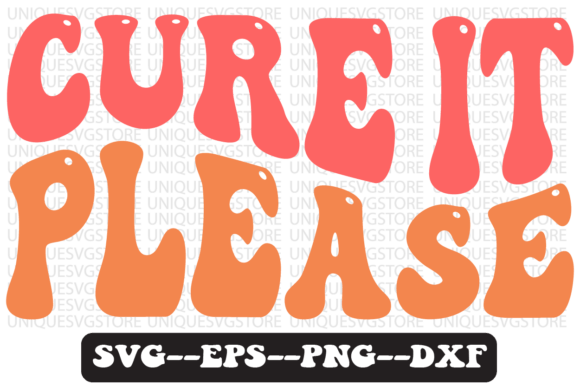
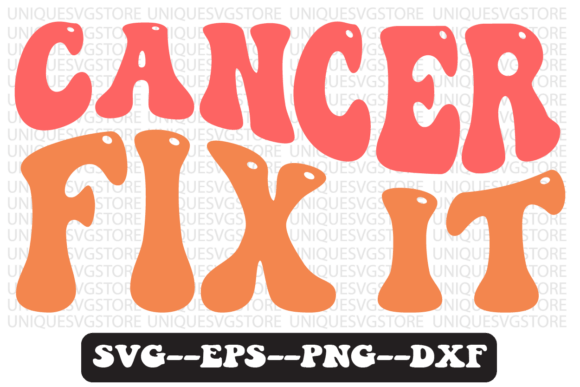
As a brand designer and content marketer who’s helped over 200 small businesses refine their visual voice, I opened Cancer Fix It Quote Retro SVG Design expecting nostalgic charm—but what stood out immediately was its emotional clarity. The retro styling—think bold outlines, slightly distressed lettering, and warm mid-century color energy—doesn’t shout “vintage for vintage’s sake.” Instead, it lands with quiet confidence: hopeful, grounded, and human. That matters. In health-adjacent branding—especially for wellness coaches, nonprofit fundraisers, or handmade apparel brands—the first impression isn’t just aesthetic; it’s an empathy signal. This graphic design asset delivers that signal without cliché or clinical coldness.
First Impression: Warmth With Purpose, Not Cuteness
Unlike many “inspirational” quote graphics that lean into saccharine script fonts or pastel gradients, Cancer Fix It Quote Retro SVG Design uses intentional restraint. Its retro treatment feels hand-printed, not algorithmically generated—a subtle cue of authenticity that resonates deeply with audiences seeking real connection over polished perfection. For a small business launching a limited-edition “Stand Up Cancer” apparel line, this design instantly elevates merchandise from generic slogan tee to meaningful statement piece. It supports lifestyle branding, not just product promotion. It works especially well for handmade products, community-driven campaigns, and editorial-style blog graphics where tone and trust are non-negotiable.
Where It Strengthens Brand Communication—Real Campaign Examples
In a recent project for a holistic oncology coach, we built a 30-day social media campaign around resilience narratives. We used Cancer Fix It Quote Retro SVG Design as the anchor visual across Instagram carousels, Pinterest pins, and email banners. Why? Because it created immediate visual hierarchy: the phrase “Stand up Cancer” became the focal point—not buried under filters or competing elements. Paired with clean sans serif body text and ample white space, it reinforced professionalism while preserving warmth. On packaging inserts for her digital course bundle, the SVG scaled flawlessly onto kraft paper labels—no pixelation, no licensing hiccups. As a printable design, it performed equally well in Canva templates for client-facing media kits and as a sublimation-ready PNG for hoodies and onesies.
Marketing Uses Where It Shines
- Social media graphics: Ideal for Instagram post headers and Facebook cover images—its bold contrast ensures legibility even on mobile feeds.
- Pinterest pins: High visual recognition + clear message = stronger click-throughs for awareness-focused campaigns.
- Printable promotions: Works beautifully on event flyers, workshop handouts, and branded thank-you cards for donors or clients.
- Digital ads: When paired with minimal copy and strategic negative space, it drives emotional resonance faster than stock imagery.
- Merchandise & packaging accents: Adds personality to T-shirts, tote bags, and product label borders without overwhelming the core brand mark.
Strategic Fit for Your Visual Ecosystem
This isn’t a logo replacement—it’s a supporting creative design that enhances consistency. When layered into your brand identity system, Cancer Fix It Quote Retro SVG Design reinforces key values: courage, community, and quiet strength. It improves audience trust by avoiding visual fatigue—no overused stock vectors or AI-generated blandness. And because it’s delivered as both SVG and PNG, you maintain flexibility: SVG for web headers and scalable print applications; PNG for quick drag-and-drop use in email builders or social schedulers. As part of a broader design bundle, it pairs seamlessly with complementary retro illustrations or minimalist icons—making it a smart addition to any content creator’s library of commercial design assets.
Where to Use It Thoughtfully
While versatile, this asset thrives in context—and falters when misapplied. Avoid using it in formal corporate branding (e.g., investor decks or B2B SaaS landing pages), dense infographics, or small mobile-only CTAs where fine detail gets lost. It shouldn’t compete with primary messaging—so skip stacking it over busy backgrounds or pairing it with more than one decorative font. If your brand leans into ultra-minimalist or monochrome aesthetics, test it rigorously against your palette first. Also, never assume automatic commercial license compliance: always verify usage rights before deploying in paid ads, client deliverables, or physical product lines.
Brand Designer Notes You Can’t Skip
Before finalizing, do these five checks: 1) Test the SVG against your brand’s primary and secondary colors—does it retain contrast and emotional tone? 2) Render it in black-and-white to confirm readability on dark apparel or grayscale printouts. 3) Drop it into real campaign mockups (e.g., a hoodie mockup, Instagram Story frame, or email banner) to assess balance and scale. 4) Preview at 50% size on mobile—does the message still land? 5) Compare it side-by-side with top competitor visuals: does it stand out authentically, not just loudly? Also, experiment with font pairings—this retro SVG harmonizes with sturdy sans serifs (like Montserrat), gentle serifs (Lora), and even restrained script fonts—but clashes with overly ornate or condensed display fonts.
Final Take: A High-Value Asset for Purpose-Driven Brands
Cancer Fix It Quote Retro SVG Design is more than a clipart download. It’s a ready-made emotional bridge between mission and medium—ideal for creative entrepreneurs building campaigns rooted in care, not cliché. Whether you’re a blogger curating a wellness resource hub, a digital seller expanding a sublimation-ready design shop, or a nonprofit preparing a fundraising push, this graphic design asset delivers professional-grade impact without demanding expert-level customization. It supports stronger first impressions, clearer visual hierarchy, and more memorable campaign visuals—all while staying true to the human-centered values your audience trusts. Just remember: great design doesn’t work in isolation. Let it serve your strategy—not the other way around.